Unlocking the Creative Potential: Furniture with Metal Materials
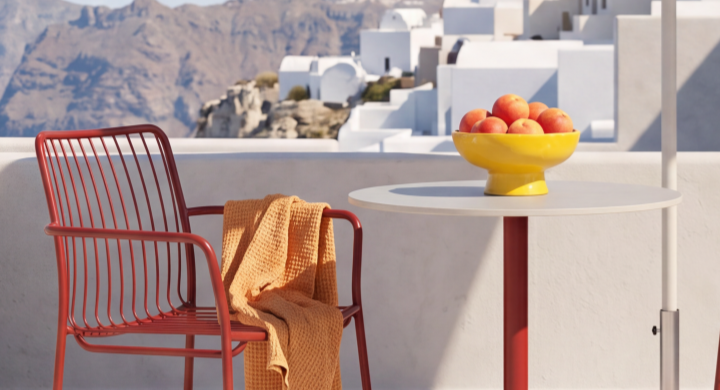
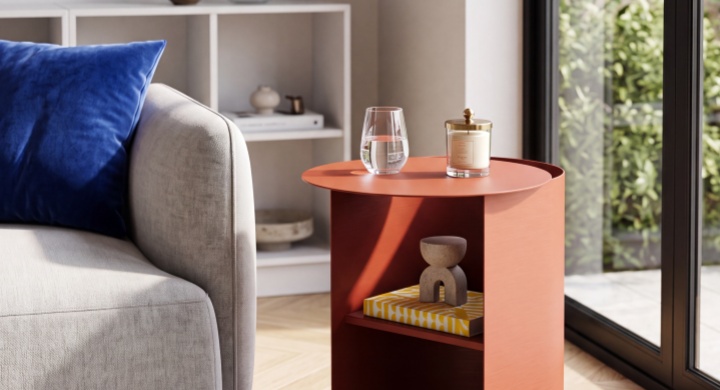
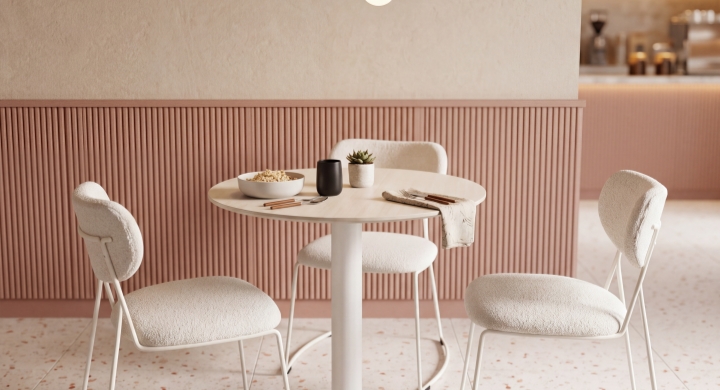
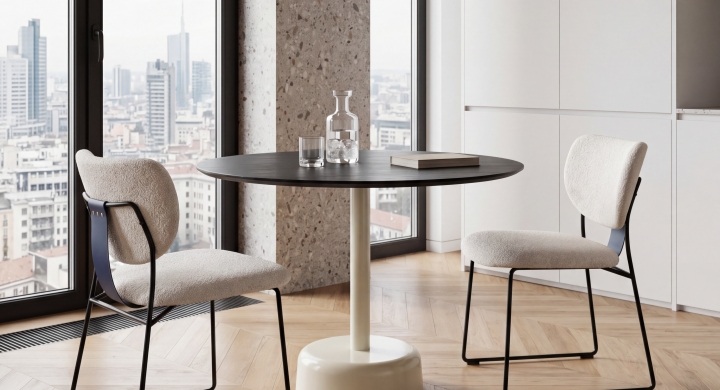
When people hear "metal furniture," they often think of cold surfaces or industrial lofts. But in our factory, metal is a different story—it can feel as warm as wood, as light as aluminum, and tough enough to outlast most things in your home.
Let's skip the clichés and walk through the metals we actually use, the finishes that give them character, and why choosing metal might just be the smartest long-term decision you make for your space.
1. Aluminum
Aluminum gives you that clean, silver look similar to stainless steel, but at a lower cost and with significantly less weight. It's not as heavy-duty as steel, but it doesn't rust—though over time, it may develop a chalky white oxidation layer. That's easy to wipe off, though. We find aluminum works beautifully outdoors and pairs naturally with lighter color palettes. If you're after a piece that feels airy and modern without breaking the bank, this is your metal.
2. Steel
Stainless steel (a mix of carbon, iron, chromium, and other elements) is everywhere in contemporary interiors—accent tables, kitchen sinks, bedside units. The chromium gives it corrosion resistance, which means less fuss for you. It shares aluminum's durability but is far more versatile with color schemes—cool grays or warm earthy tones, it handles both. A quick tip: adding another gray accent nearby helps stainless steel settle into the room more naturally.
Mild steel, on the other hand, has more carbon and less corrosion resistance, but it's softer and easier to shape. That gives us more freedom to bend it into curves or crisp lines that wouldn't be possible with stainless.
3. Brass
Polished, shiny brass has had its day—but matte, aged brass? That's back and better than ever. Brass is an alloy of copper and zinc, and it comes in shades ranging from reddish-yellow to deep bronze and brown. Gold-toned brass is the current favorite. It resists corrosion and naturally inhibits bacterial growth, which makes it a solid choice for knobs, handles, and faucets. One caution: skip the harsh cleaners—they can cause cracking. Mild soap and water, or a dedicated brass polish, do the job fine. Solid brass can get pricey, so if you're watching your budget, brass-plated pieces offer the same look for less.
4. Copper
Copper brings genuine warmth—that reddish-orange glow can lift an all-white or neutral room instantly. You'll see it in lighting, utensils, and decorative accents. Like brass, it's corrosion-resistant and antimicrobial, which is why it's such a natural fit for kitchens and bathrooms. The only thing to watch: over time, especially outdoors, copper develops a greenish-blue patina. If that's not your style, seal it with beeswax, carnauba wax, or a coat of linseed oil topped with lacquer—that'll keep it looking fresh for years.
5. Wrought Iron
Wrought iron is shaped by hammering or bending, not casting—so it keeps a textured, slightly rugged surface that feels handcrafted. It resists corrosion, lasts for decades, and works especially well in fireplaces, outdoor seating, pot racks, rustic beds, and lighting fixtures. It makes a strong visual statement, particularly against white or neutral backdrops. If you want a piece that feels solid and timeless, wrought iron delivers.
Why Choose Metal Furniture: Style, Durability, and More
So, why should you actually consider metal furniture for your home? Here's what we've learned after years of making it:
1. It's more stylish than you'd expect.
Sure, metal furniture isn't the first thing that comes to mind when you think "beautiful design." But some seriously talented designers are putting their best work into metal these days. With finishes that mimic wood tones and drawer fronts that look like laminate, metal pieces can easily pass for their wooden counterparts—until you pick them up and realize how much lighter (or stronger) they are.
2. It stays cleaner and pests stay away.
Metal surfaces are less porous than wood, so they wipe down quickly and don't hold onto dust or food particles. They also handle pest treatments better. That said, it's not a magic shield—you still need to clean regularly, same as any other furniture. But it's noticeably less fuss.
3. It blends in—or stands out, your call.
Some metal furniture is designed to disappear into the room, looking almost like wood. Others are proud to be metal—sleek, sharp, and unmistakable. Because metal doesn't have natural grain or color variation, it's also a perfect base for custom paint colors. Want that exact shade of sage green? You can have it.
4. It lasts. And lasts.
In contract furniture—think dorms, temporary housing, high-traffic spaces—metal is the workhorse. Metal beds, bunk beds, storage units, nightstands, and chests of drawers take serious abuse and still clean up like new. For a home setting, that means you buy it once, and you're done.
5. It pays off over time.
Good metal furniture often costs more upfront than mass-produced wood. But here's the thing: it'll give you 10 to 15 years—or more—of solid service. Many of our collections come with 10-year warranties for normal use. So while the sticker price might be higher, the replacement cycle is much longer. Over time, that's actually the more economical choice.
The Bottom Line
Choosing metal furniture isn't about chasing a trend—it's about making a practical, long-term investment that also happens to look great. Whether it sits quietly in the corner or becomes the focal point of the room, metal holds its own without demanding constant care.
See It for Yourself
If this has you curious about what metal furniture can really do, we'd love to show you ours. At RUDI Furniture, we specialize in high-quality metal designs—and we're launching a new series in Q3 2026 that combines metal's strength with warm wood accents and sleek modern surfaces.
The photos and words here only tell half the story. The real difference is in the weight, the weld quality, and the feel of the finish—things you have to see in person.
Stop by our showroom. Touch the pieces. Sit on them.We'll even cut open a sample for you so you can see the internal structure and welding points—that's where we take real pride.
The Psychology of Cafe Seating: How Furniture Layout Boosts Customer Dwell Time
Why We Choose Virgin-Grade Plastic for the Furniture You Live With
Related Article